General Construction in Monterey, CA
Local General Contractor Expertise
Around Cannery Row and throughout Monterey, CA, buildings face salty coastal air, steep terrain, and strict historic preservation rules. Our general contractor services handle everything from restoring Victorian cottages in Old Town to building new homes on Skyline Forest hillsides and managing complex coastal permits that protect Monterey's character.
Whether you're adding an ADU near Lake El Estero, reinforcing masonry in a Craftsman bungalow, or framing an addition on rocky terrain, we manage the details: erosion control, view-line compliance, seismic updates, and the permits that make coastal construction possible.
How We Work
We plan for coastal realities, respect historic fabric, and build to last. Every project gets hands-on clarity from day one.
1Plan & Assess
We visit your site in Monterey to understand the terrain, check permit requirements, and identify any coastal or historic rules that apply.
2Permits & Design
We prepare plans and pull permits—coastal development permits, design approvals, or standard building permits. You know what's required before work starts.
3Build & Inspect
Crews execute the work while we schedule inspections, manage weather delays (fog and rain on the coast), and stay on top of detail.
4Final Walkthrough
Before completion, we document every detail with you and ensure final permits are signed off. You move in knowing the work is done right.
You'll always know what's happening next—and why it matters.
Our Services
From framing to restoration, we handle the work Monterey's neighborhoods need most.
Building & Additions
New framing, second stories, ADU construction on tight Monterey lots. We handle slope grading, tree preservation (Skyline Forest rules are strict), and exterior design that matches your neighborhood's style—whether Victorian trim in Old Town or modern coastal design near Del Monte Beach.
- ADU conversions and accessory structures
- Second-story additions with coastal wind bracing
- New construction on hillside or bay-view parcels
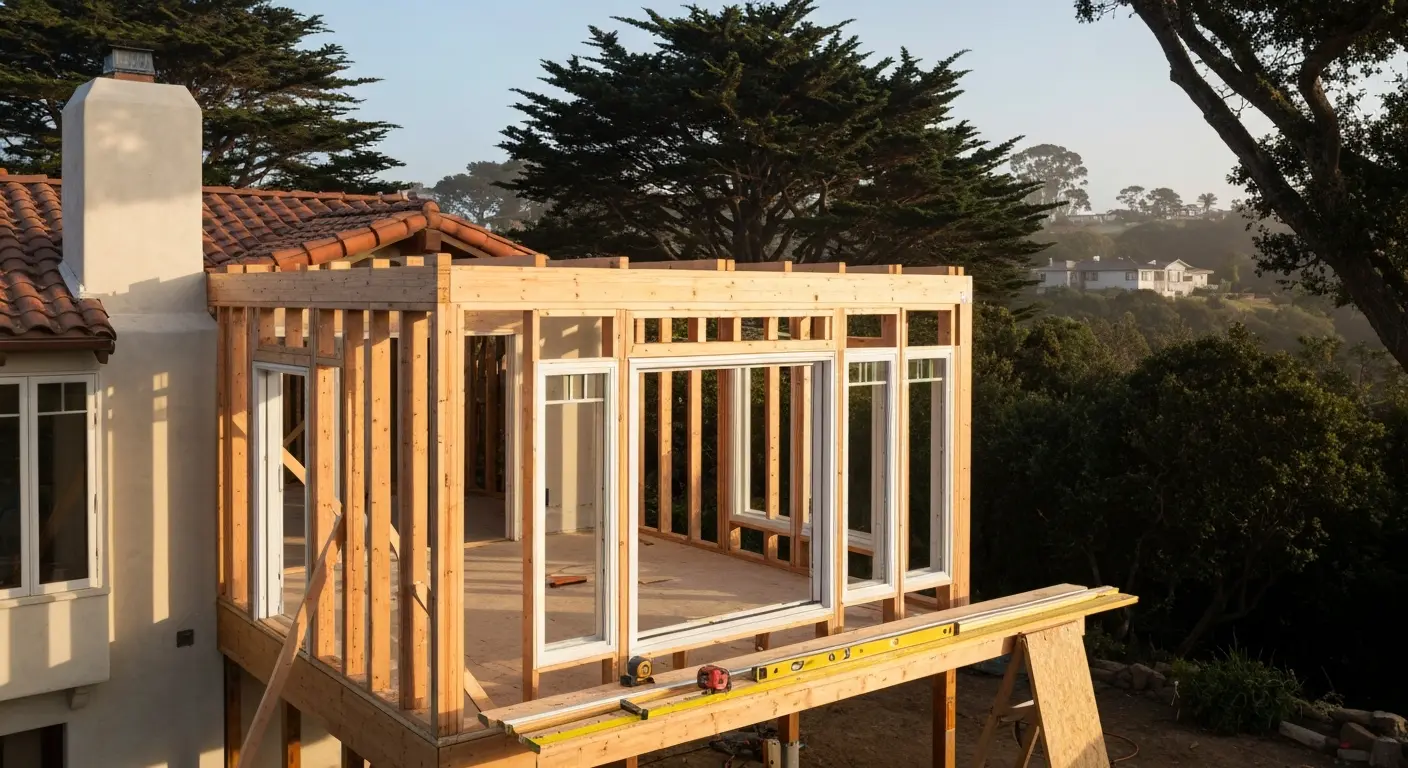
New framing and additions throughout Monterey neighborhoods
Restoration & Historic Work
Monterey's Craftsman bungalows, Victorian cottages, and Monterey Colonial adobes need expert care. We respect original character while adding modern safety, seismic bracing, and moisture barriers that protect against coastal weather.
- Period-accurate window and door replacement
- Wood rot repair in old porches and trim
- Seismic upgrades for masonry and adobe homes
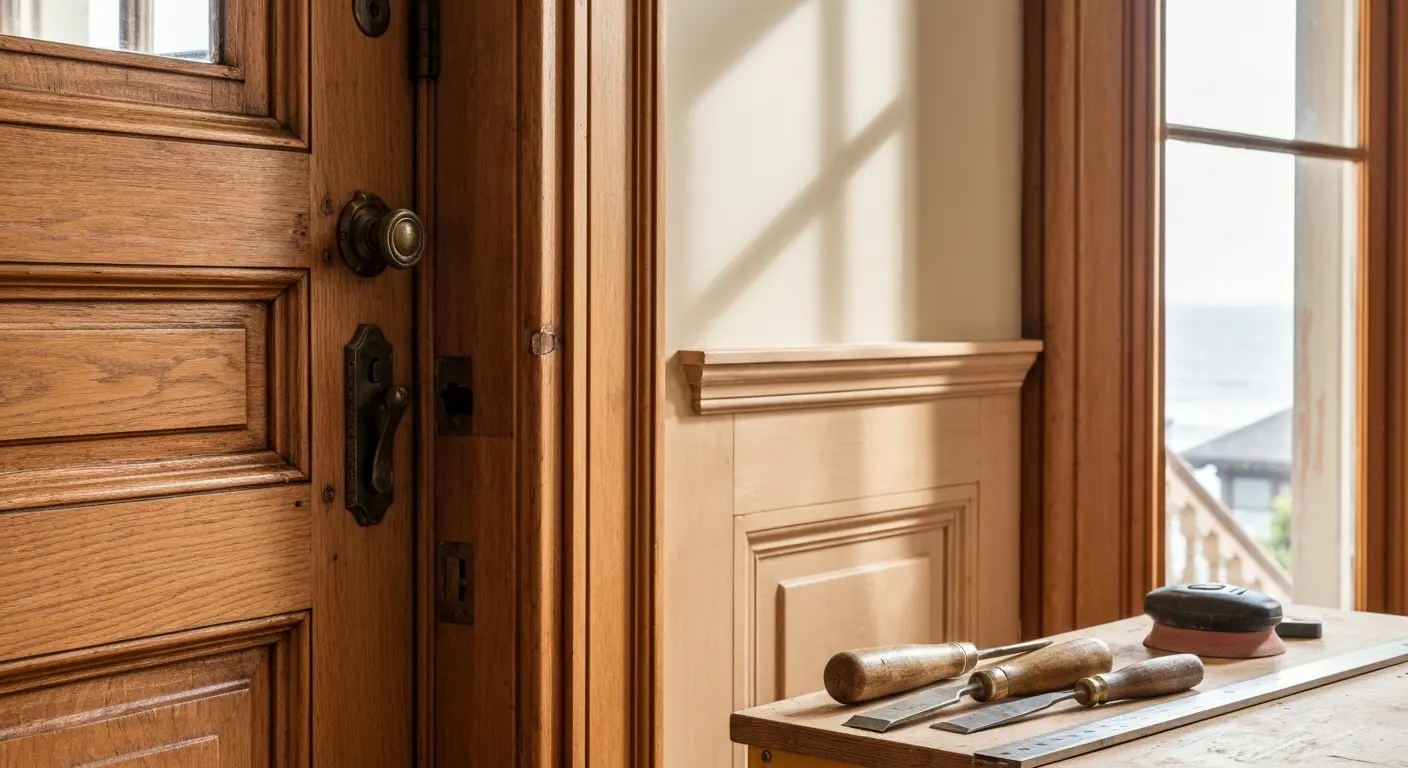
Careful restoration of Monterey's historic architectural stock
Leak Prevention & Waterproofing
Coastal fog, salt air, and winter rains find every gap. We install drainage systems, flash roofs and chimneys, seal crawl spaces, and protect foundations from moisture that leads to wood rot and termite damage.
- Roof and gutter repair with coastal wind-load standards
- Foundation waterproofing and drainage improvements
- Stucco and masonry crack sealing and repointing
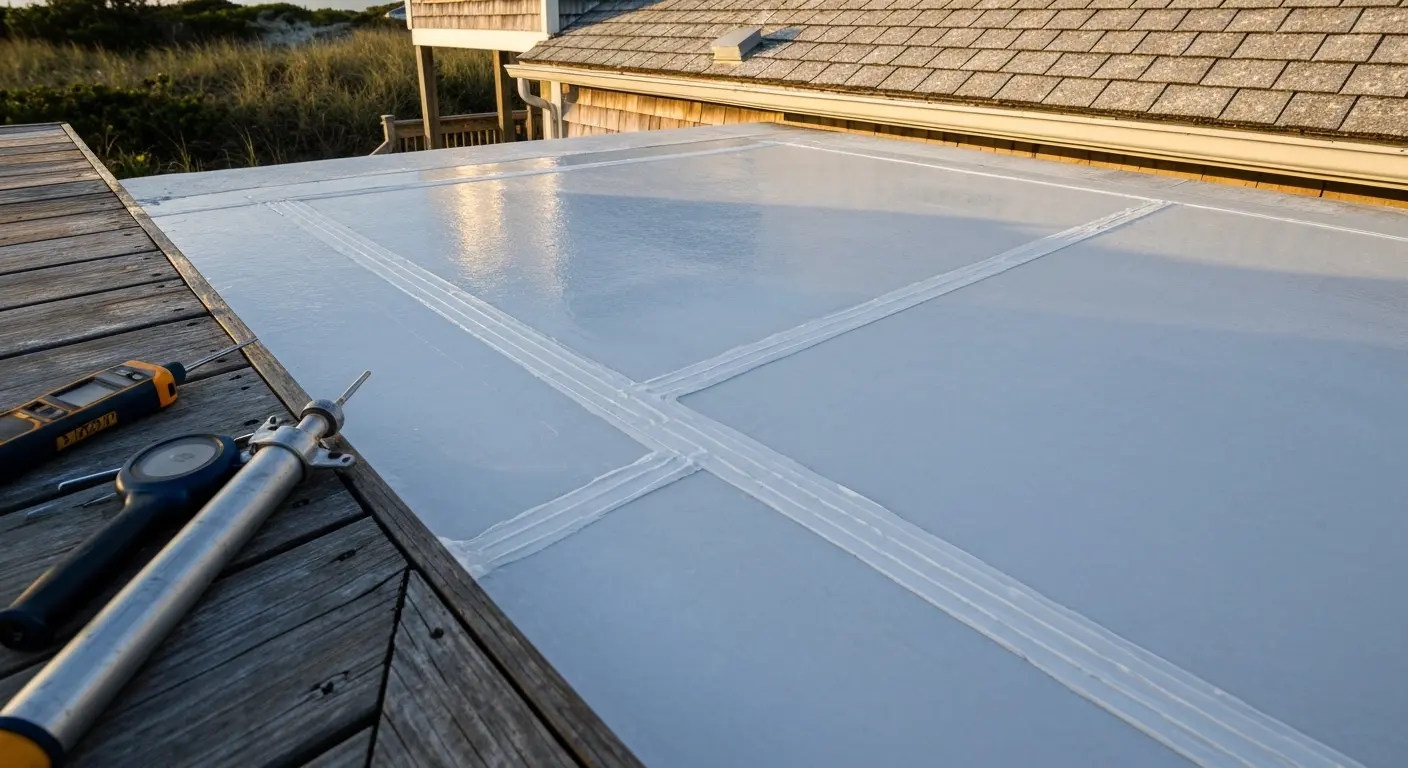
Moisture barriers and weatherproofing for coastal homes
Fences, Railings & Site Work
Monterey neighborhoods have strict appearance rules and boundary lines that matter. We build fences and railings that pass design review, match the style of your area, and stand up to coastal winds and salt spray.
- Design-approved fences for historic and coastal zones
- Deck building and exterior stair construction
- Retaining walls and slope stabilization
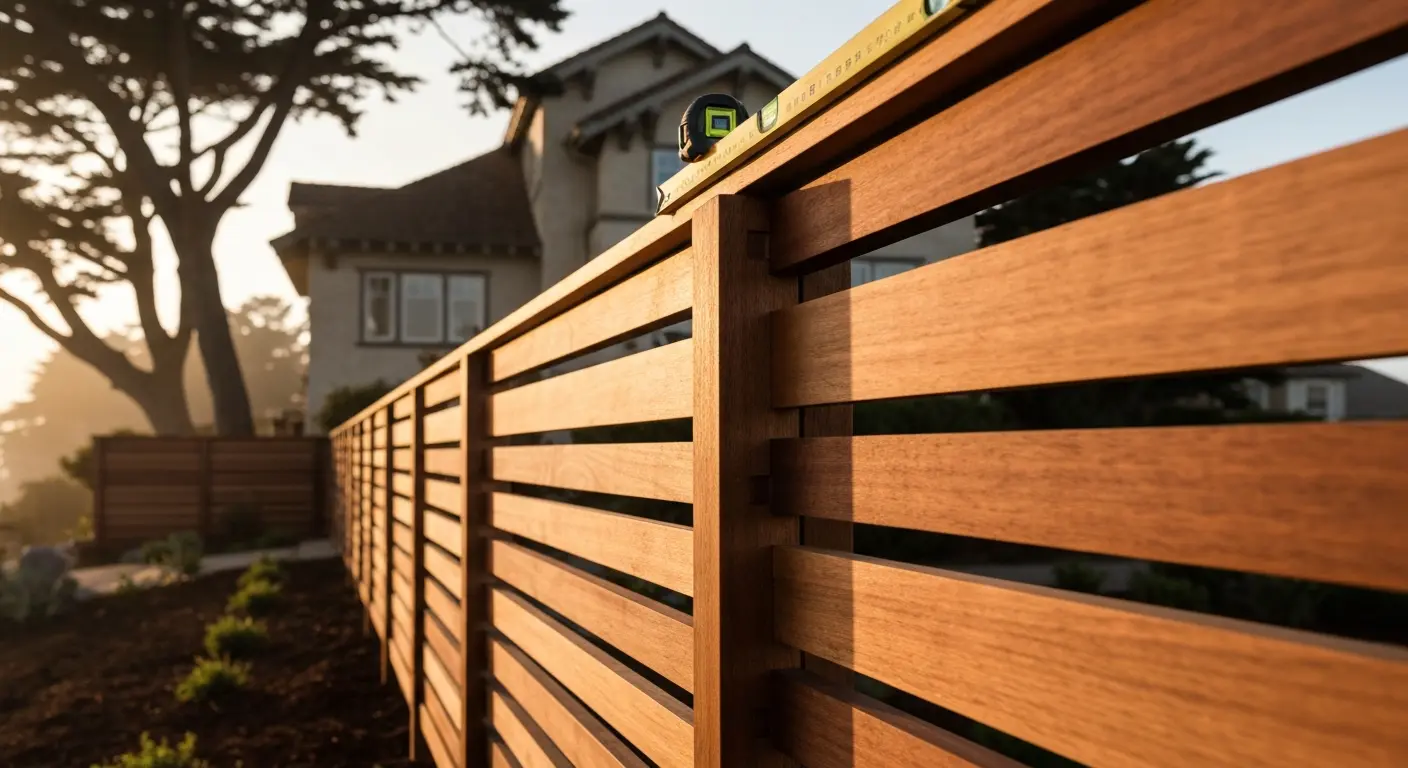
Monterey-compliant fencing in neighborhoods near Cannery Row and beyond
Carpentry & Finish Work
Crown molding, built-ins, custom cabinetry, and interior trim that brings period details or modern finishes to life. In Monterey's older homes, careful woodwork restoration preserves what made your home special.
- Interior trim, molding, and custom shelving
- Cabinet installation and countertop work
- Hardwood floor installation and refinishing
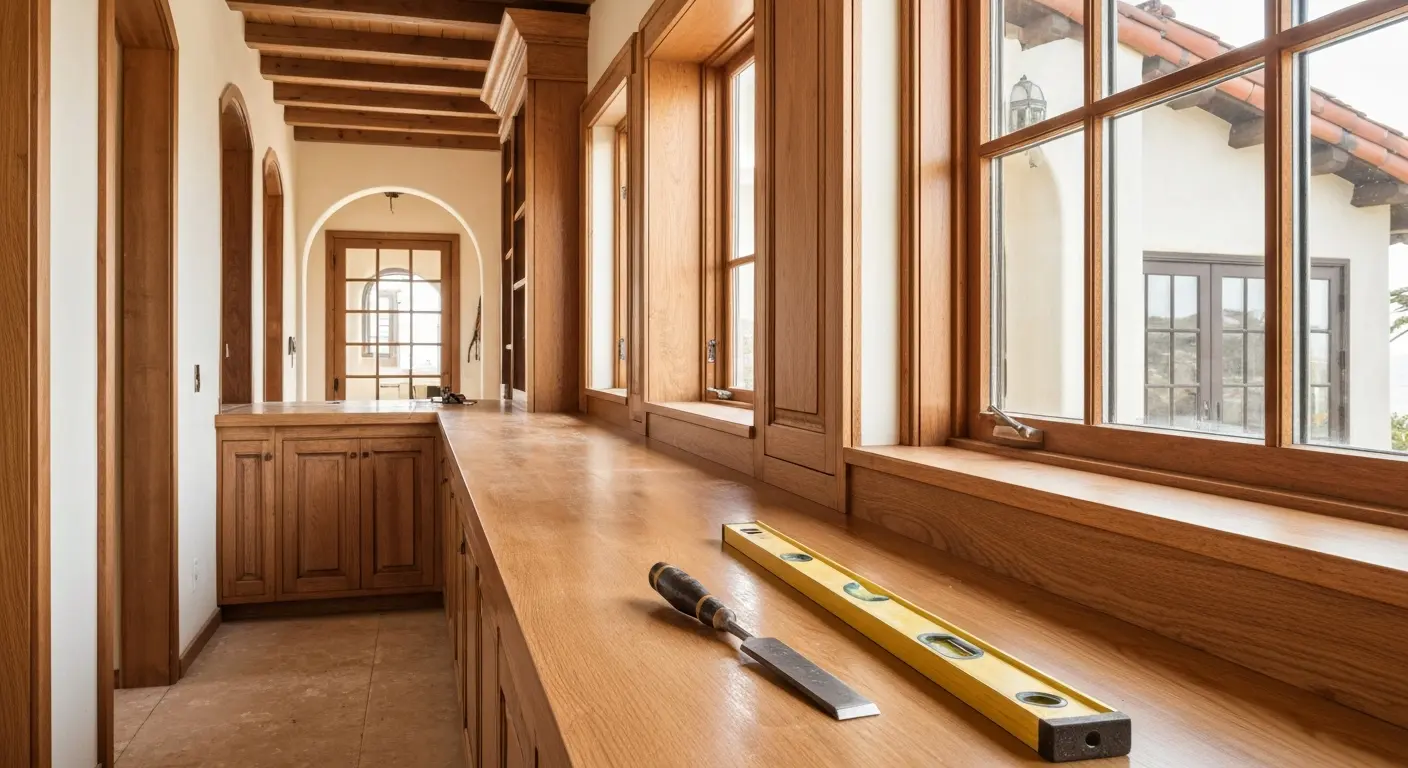
Interior carpentry matching Monterey's architectural styles
Why Local Expertise Matters in Monterey
Monterey's coastal location, historic districts, and strict regulations make local knowledge essential.
Wood rot and termites thrive in Monterey's moist coastal air. We address root causes—poor drainage and ventilation—instead of just treating symptoms.
Historic Preservation Review
Old Monterey, parts of New Monterey near Cannery Row, and several neighborhoods in the hills are historic districts. The Historic Preservation Commission reviews exterior changes. We prepare designs that pass review while respecting your home's era and character.
Coastal Development Permits
Monterey County's coastal plan requires permits for many projects—especially those affecting viewsheds, wetlands, or sensitive habitat. We know which projects need them and ensure applications include the environmental review that county staff requires.
Seismic & Wind Standards
Monterey sits near active fault lines. Modern code requires seismic bracing, foundation bolting, and cripple-wall strengthening. Coastal wind loads also demand stronger connections and bracing—especially on exposed Skyline Forest properties and near the bay.
Parking & Access Reality
Monterey's neighborhoods—especially downtown and near Cannery Row—have limited parking. We plan additions and renovations knowing that narrow streets, steep slopes, and shared parking require creative logistics. We manage equipment access and waste removal to minimize disruption to neighbors.
Serving Monterey & Nearby Areas
We work throughout Monterey and understand the character of each neighborhood.
Old Town & Downtown
Historic adobes, Victorian cottages, and early 20th-century buildings around Alvarado Street and the Custom House. Tight lots, narrow streets, and strict design review. Parking and material delivery need careful planning.
New Monterey & Cannery Row
Mid-century homes mixed with converted commercial buildings near the Aquarium. Fog and salt air demand extra weatherproofing. Design review is active here as well.
Skyline Forest
Tree-dense hillside properties with sweeping bay and city views. Tree preservation ordinances, slope stability concerns, and wildfire-resistant construction standards apply here.
Del Monte & Lake El Estero
Inland neighborhoods with more breathing room. Homes range from Craftsman bungalows to ranch styles. Permits are more straightforward here, though coastal air still affects materials.
Fisherman's Flats
Closer to the waterfront with views and strong marine influences. Waterproofing and moisture barriers are critical. Permits often require coastal review.
Getting Here From Elsewhere
If you're commuting from Salinas or the Salinas Valley, Highway 68 connects directly to downtown Monterey. From Pacific Grove or Carmel, Highway 1 (scenic but slower) is the main route. We serve the entire Monterey Peninsula region.
Why Monterey Demands Expert General Contracting
20+ years managing Monterey's unique blend of historic preservation, coastal rules, and site challenges. 500+ projects completed across all neighborhoods.
Monterey isn't a typical market. Historic districts, coastal permits, seismic standards, and wind-resistant design are the norm. Contractors unfamiliar with these rules often underestimate scope and face costly permit delays.
Coastal salt air degrades materials faster than inland projects. Wood rot, termite damage, and stucco failure are common—especially in older homes. Modern waterproofing and material selection prevent expensive failures down the road.
We understand the county's Design Approval process, Coastal Development Permit requirements, and the Historic Preservation Commission's standards. We submit applications that move forward instead of getting returned for revisions.
Frequently Asked Questions
Do I need a permit for my Monterey project?
Most structural work (additions, framing, seismic upgrades) requires a permit. Coastal projects and those in historic districts often need additional approvals. We assess your property and advise you before planning starts.
What's the difference between a Coastal Development Permit and a standard permit?
Coastal permits review environmental impact, viewshed protection, and habitat concerns. They require more documentation and county staff review. Standard permits focus on building code compliance. Your site's location determines which applies.
My house is in a historic district. Can I renovate freely?
No. Exterior changes require Historic Preservation Commission review. We design renovations that respect your home's era and pass design review. Interior work is usually unrestricted.
Is my Monterey home at risk of moisture and wood rot?
Yes, especially if it's older and near the coast. Fog, salt air, and poor drainage create ideal conditions. Modern waterproofing, drainage systems, and regular maintenance prevent serious damage.
Do I need seismic upgrades?
Modern code requires seismic bracing and foundation bolting, especially for homes built before 1980. We evaluate your home's condition and recommend upgrades that increase safety and resale value.
How do you manage parking and material access on tight Monterey streets?
We coordinate with the city, schedule deliveries for off-peak hours, and use efficient staging areas. Tight neighborhoods require upfront planning to avoid neighbor complaints and code violations.
Local General Contractor Expertise
Around Cannery Row and throughout Monterey, CA, buildings face salty coastal air, steep terrain, and strict historic preservation rules. Our general contractor services handle everything from restoring Victorian cottages in Old Town to building new homes on Skyline Forest hillsides and managing complex coastal permits that protect Monterey's character.
Whether you're adding an ADU near Lake El Estero, reinforcing masonry in a Craftsman bungalow, or framing an addition on rocky terrain, we manage the details: erosion control, view-line compliance, seismic updates, and the permits that make coastal construction possible.
How We Work
We plan for coastal realities, respect historic fabric, and build to last. Every project gets hands-on clarity from day one.
Plan & Assess
We visit your site in Monterey to understand the terrain, check permit requirements, and identify any coastal or historic rules that apply.
Permits & Design
We prepare plans and pull permits—coastal development permits, design approvals, or standard building permits. You know what's required before work starts.
Build & Inspect
Crews execute the work while we schedule inspections, manage weather delays (fog and rain on the coast), and stay on top of detail.
Final Walkthrough
Before completion, we document every detail with you and ensure final permits are signed off. You move in knowing the work is done right.
You'll always know what's happening next—and why it matters.
Our Services
From framing to restoration, we handle the work Monterey's neighborhoods need most.
Building & Additions
New framing, second stories, ADU construction on tight Monterey lots. We handle slope grading, tree preservation (Skyline Forest rules are strict), and exterior design that matches your neighborhood's style—whether Victorian trim in Old Town or modern coastal design near Del Monte Beach.
- ADU conversions and accessory structures
- Second-story additions with coastal wind bracing
- New construction on hillside or bay-view parcels
New framing and additions throughout Monterey neighborhoods
Restoration & Historic Work
Monterey's Craftsman bungalows, Victorian cottages, and Monterey Colonial adobes need expert care. We respect original character while adding modern safety, seismic bracing, and moisture barriers that protect against coastal weather.
- Period-accurate window and door replacement
- Wood rot repair in old porches and trim
- Seismic upgrades for masonry and adobe homes
Careful restoration of Monterey's historic architectural stock
Leak Prevention & Waterproofing
Coastal fog, salt air, and winter rains find every gap. We install drainage systems, flash roofs and chimneys, seal crawl spaces, and protect foundations from moisture that leads to wood rot and termite damage.
- Roof and gutter repair with coastal wind-load standards
- Foundation waterproofing and drainage improvements
- Stucco and masonry crack sealing and repointing
Moisture barriers and weatherproofing for coastal homes
Fences, Railings & Site Work
Monterey neighborhoods have strict appearance rules and boundary lines that matter. We build fences and railings that pass design review, match the style of your area, and stand up to coastal winds and salt spray.
- Design-approved fences for historic and coastal zones
- Deck building and exterior stair construction
- Retaining walls and slope stabilization
Monterey-compliant fencing in neighborhoods near Cannery Row and beyond
Carpentry & Finish Work
Crown molding, built-ins, custom cabinetry, and interior trim that brings period details or modern finishes to life. In Monterey's older homes, careful woodwork restoration preserves what made your home special.
- Interior trim, molding, and custom shelving
- Cabinet installation and countertop work
- Hardwood floor installation and refinishing
Interior carpentry matching Monterey's architectural styles
Why Local Expertise Matters in Monterey
Monterey's coastal location, historic districts, and strict regulations make local knowledge essential.
Wood rot and termites thrive in Monterey's moist coastal air. We address root causes—poor drainage and ventilation—instead of just treating symptoms.
Historic Preservation Review
Old Monterey, parts of New Monterey near Cannery Row, and several neighborhoods in the hills are historic districts. The Historic Preservation Commission reviews exterior changes. We prepare designs that pass review while respecting your home's era and character.
Coastal Development Permits
Monterey County's coastal plan requires permits for many projects—especially those affecting viewsheds, wetlands, or sensitive habitat. We know which projects need them and ensure applications include the environmental review that county staff requires.
Seismic & Wind Standards
Monterey sits near active fault lines. Modern code requires seismic bracing, foundation bolting, and cripple-wall strengthening. Coastal wind loads also demand stronger connections and bracing—especially on exposed Skyline Forest properties and near the bay.
Parking & Access Reality
Monterey's neighborhoods—especially downtown and near Cannery Row—have limited parking. We plan additions and renovations knowing that narrow streets, steep slopes, and shared parking require creative logistics. We manage equipment access and waste removal to minimize disruption to neighbors.
Serving Monterey & Nearby Areas
We work throughout Monterey and understand the character of each neighborhood.
Old Town & Downtown
Historic adobes, Victorian cottages, and early 20th-century buildings around Alvarado Street and the Custom House. Tight lots, narrow streets, and strict design review. Parking and material delivery need careful planning.
New Monterey & Cannery Row
Mid-century homes mixed with converted commercial buildings near the Aquarium. Fog and salt air demand extra weatherproofing. Design review is active here as well.
Skyline Forest
Tree-dense hillside properties with sweeping bay and city views. Tree preservation ordinances, slope stability concerns, and wildfire-resistant construction standards apply here.
Del Monte & Lake El Estero
Inland neighborhoods with more breathing room. Homes range from Craftsman bungalows to ranch styles. Permits are more straightforward here, though coastal air still affects materials.
Fisherman's Flats
Closer to the waterfront with views and strong marine influences. Waterproofing and moisture barriers are critical. Permits often require coastal review.
Getting Here From Elsewhere
If you're commuting from Salinas or the Salinas Valley, Highway 68 connects directly to downtown Monterey. From Pacific Grove or Carmel, Highway 1 (scenic but slower) is the main route. We serve the entire Monterey Peninsula region.
Why Monterey Demands Expert General Contracting
20+ years managing Monterey's unique blend of historic preservation, coastal rules, and site challenges. 500+ projects completed across all neighborhoods.
Monterey isn't a typical market. Historic districts, coastal permits, seismic standards, and wind-resistant design are the norm. Contractors unfamiliar with these rules often underestimate scope and face costly permit delays.
Coastal salt air degrades materials faster than inland projects. Wood rot, termite damage, and stucco failure are common—especially in older homes. Modern waterproofing and material selection prevent expensive failures down the road.
We understand the county's Design Approval process, Coastal Development Permit requirements, and the Historic Preservation Commission's standards. We submit applications that move forward instead of getting returned for revisions.
Frequently Asked Questions
Do I need a permit for my Monterey project?
Most structural work (additions, framing, seismic upgrades) requires a permit. Coastal projects and those in historic districts often need additional approvals. We assess your property and advise you before planning starts.
What's the difference between a Coastal Development Permit and a standard permit?
Coastal permits review environmental impact, viewshed protection, and habitat concerns. They require more documentation and county staff review. Standard permits focus on building code compliance. Your site's location determines which applies.
My house is in a historic district. Can I renovate freely?
No. Exterior changes require Historic Preservation Commission review. We design renovations that respect your home's era and pass design review. Interior work is usually unrestricted.
Is my Monterey home at risk of moisture and wood rot?
Yes, especially if it's older and near the coast. Fog, salt air, and poor drainage create ideal conditions. Modern waterproofing, drainage systems, and regular maintenance prevent serious damage.
Do I need seismic upgrades?
Modern code requires seismic bracing and foundation bolting, especially for homes built before 1980. We evaluate your home's condition and recommend upgrades that increase safety and resale value.
How do you manage parking and material access on tight Monterey streets?
We coordinate with the city, schedule deliveries for off-peak hours, and use efficient staging areas. Tight neighborhoods require upfront planning to avoid neighbor complaints and code violations.
DISCOVER WHAT OUR CUSTOMERS HAVE TO SAY ABOUT US
REVIEWS
proudly serving these areas
Aptos, CA
Ben Lomond, CA
Boulder Creek, CA
Brookedale, CA
Capitola, CA
Carmel, CA
Corralitos, CA
Felton, CA
READY TO take the next step?
get a free quote TODAY!
QUICK LINKS
our services
service areas
operating HOURS
Mon: 8:00 am - 5:00 pm
Tue: 8:00 am - 5:00 pm
Wed: 8:00 am - 5:00 pm
Thu: 8:00 am - 5:00 pm
Fri: 8:00 am - 5:00 pm
Sat: Closed - Closed
Sun: Closed - Closed